
In the world of generational wealth, success often hides a quiet battle. Behind closed doors of private estates and penthouses, addiction and mental health challenges can quietly unravel the very legacies families work generations to build.
The stakes are different here with reputation, privacy, inheritance, and the emotional bonds that hold families together. When addiction strikes within an ultra-high-net-worth (UHNW) family, the consequences reach beyond personal struggle; they ripple through businesses, philanthropy, and even the next generation’s wellbeing.
Yet more families are realizing something powerful: recovery and legacy protection are not opposites. They are inseparable.
That’s where Active Recovery Companions (ARC) comes in.
Addiction doesn’t discriminate by income, but recovery support should adapt to the realities of a UHNW lifestyle. Confidentiality, travel demands, reputation management, and family dynamics make traditional treatment models difficult to sustain.
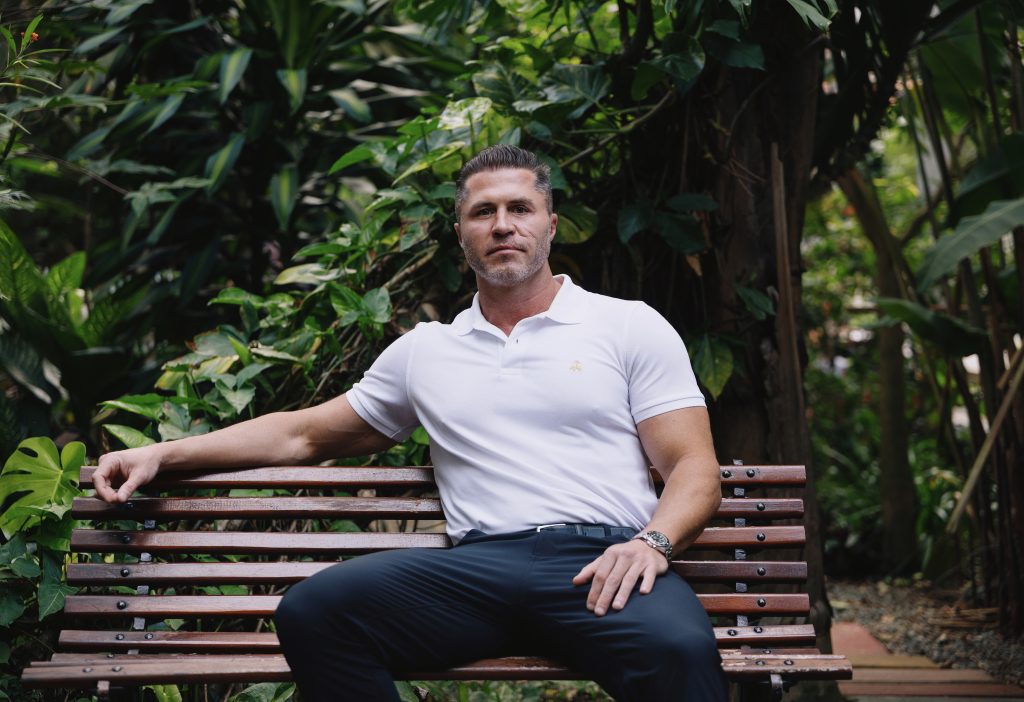
Taylor Wilson, Founder of Active Recovery Companions, understands this intimately:
“We often work with families who’ve tried treatment centers and interventions, but what they really need is support that moves with them. Discreet, in-home recovery companions bring structure and stability without disrupting the client’s lifestyle or privacy.”
This discreet, personalized model offers families a way to protect both their loved one’s wellbeing and their legacy.
In UHNW circles, privacy is currency. That’s why ARC was built around confidential recovery support, offering one-on-one sober companionship and recovery coaching for clients who cannot risk exposure or public scrutiny.
Companions often work quietly behind the scenes by integrating into the household or traveling alongside the client. Every engagement begins with confidentiality agreements, aligned communication with therapists or clinicians, and a recovery plan that respects family boundaries.
ARC’s clients include:
“Our role isn’t to replace treatment,” says Wilson. “It’s to make recovery sustainable in real life. We help clients build accountability, structure, and connection while protecting what matters most: their reputation and their relationships.”
For decades, addiction in affluent families was treated as a shameful secret. Problems were buried under NDAs, private physicians, or endless “wellness retreats.” The result? Isolation, relapse, and fractured family systems.
But the silence has a cost. According to the National Institute on Drug Abuse (NIDA), addiction is a chronic, relapsing disorder that requires ongoing care and community to maintain recovery. Without continued structure, relapse rates can reach 40–60% regardless of socioeconomic status.
That’s why continuing care, like ARC’s sober companion and recovery coaching programs, has become the standard among modern families who value both privacy and progress.
ARC’s programs are intentionally bespoke — built around the individual, the family, and the long-term preservation of wellness. Services include:
24/7 or flexible in-home support to prevent relapse, reinforce structure, and help clients transition safely after treatment.
Weekly accountability sessions that combine structure, goal setting, and emotional support.
One-on-one assistance to help clients manage anxiety, depression, or trauma while staying engaged in daily life.
Coordination between families, therapists, and treatment teams to maintain alignment and continuity of care.
Safe, discreet travel support for clients transitioning between treatment centers, homes, or global destinations.
Every ARC engagement is backed by confidentiality, clinical collaboration, and compassion — the three pillars of legacy-minded recovery.
“Luxury” in the context of recovery has nothing to do with amenities or cost. It’s about personalization and peace of mind.
A luxury recovery plan is one that allows a client to heal without losing their autonomy, dignity, or privacy. For UHNW families, it means having a trusted partner who understands how to maintain equilibrium between care, confidentiality, and continuity.
ARC’s companions often coordinate seamlessly with household staff, family offices, and existing medical professionals — maintaining structure without disruption.
“We’re not here to control someone’s life,” Wilson notes. “We’re here to walk beside them as they rebuild it — quietly, consistently, and with compassion.”
Family involvement is one of the strongest predictors of recovery success. A study published in the Journal of Substance Abuse Treatment found that ongoing family participation significantly improves outcomes in post-treatment recovery.
ARC incorporates family communication and boundary-setting as part of every program — giving loved ones practical tools to support recovery without enabling dependency.
For UHNW families, this approach restores something money can’t buy: trust.
Q: How does a sober companion differ from a treatment center?
A: A sober companion provides in-home or travel-based accountability and structure after treatment, bridging the gap between clinical care and everyday life.
Q: Are services with Active Recovery Companions completely confidential?
A: Yes. Every ARC engagement begins with strict confidentiality agreements and individualized plans designed around client privacy.
Wealth can build walls — but healing breaks them down.
The strongest families are not those without struggle, but those who choose to face it together.
If your family is navigating addiction or mental health challenges and needs a discreet, professional partner in recovery, reach out to Active Recovery Companions today.
Contact Active Recovery Companions to learn how a private sober companion or recovery coach can help your loved one recover without sacrificing privacy, dignity, or legacy.
© 2023, Active Recovery Companions