Last Updated on 2025-12-19


Addiction does not exist in isolation; it ripples through the family system. In ultra-high-net-worth (UHNW) families, those ripples often move quietly, masked by success, privacy, and reputation. Yet behind the gates of estates and penthouses, many families face the same heartbreak as anyone else: the fear of losing someone they love to addiction.
Taylor Wilson, founder of Active Recovery Companions, has spent over a decade supporting families through some of their most vulnerable moments. His work has revealed one truth: lasting recovery starts with connection, not control.
“Families often come to us exhausted,” says Wilson. “They’ve spent years managing chaos, trying to fix or hide what’s happening. Our goal is to shift that energy, from fear and secrecy to trust and support.”
For UHNW families, addiction and mental health issues often intersect with high expectations, complex family structures, and public visibility. Maintaining confidentiality while addressing deep emotional wounds can feel impossible.
Unlike traditional treatment centers, recovery companions and coaches at ARC bring support directly into the client’s environment. This discreet model allows recovery to fit within the rhythms of daily life: whether at home, during travel, or within a family business context.
Private recovery coaching provides accountability and structure without compromising privacy. For families accustomed to high discretion, this balance is essential to both healing and legacy protection.
Wilson emphasizes that true healing depends on empathy balanced with boundaries. Family members often oscillate between enabling and detaching, unsure how to support their loved one without feeding the problem.
“Our companions help families rebuild communication,” Wilson explains. “We create a bridge between treatment and real life, teaching accountability, emotional regulation, and healthy boundaries in a way that feels safe for everyone.”
Research from the American Psychological Association supports this approach, showing that family involvement significantly increases recovery success rates.
ARC’s mental health companions and case management programs integrate both clinical coordination and emotional education, ensuring that each family member understands their role in recovery.
Wealth can insulate, but it can also isolate. Many families avoid addressing addiction for fear of public exposure or reputational harm. Unfortunately, silence often allows the problem to grow unchecked.
According to the National Institute on Drug Abuse, addiction is a chronic condition that requires long-term, structured care. Without ongoing accountability, relapse remains a high risk—regardless of social status.
That is why ARC’s model focuses on continuous engagement through sober companions, who provide real-time support and structure for clients navigating post-treatment life.
After years of working intimately with families across the country, Wilson has observed recurring patterns:
“Our job isn’t to rescue people, it’s to walk beside them as they reclaim their lives,” says Wilson. “The moment families stop trying to control recovery and start engaging with empathy, everything changes.”
Active Recovery Companions’ approach offers something rare in today’s recovery landscape: a private, family-centered model that honors both confidentiality and care.
Whether a client is an executive rebuilding trust, a young adult struggling with independence, or a parent managing burnout, ARC designs recovery plans that fit their reality. The focus is on sustainable structure, compassionate accountability, and seamless collaboration with clinical providers.
Services include:
Each engagement begins with confidentiality, compassion, and collaboration, three pillars that define ARC’s legacy in luxury recovery care.
Q: How does ARC maintain client privacy?
A: Every engagement begins with confidentiality agreements, discreet communication protocols, and coordination with only the client-approved care team.
Q: How can families support recovery without enabling?
A: ARC teaches structured communication and accountability practices that help families stay supportive while maintaining healthy boundaries.
Family healing begins with courage, not perfection. If your family is navigating addiction or mental health challenges, confidential help is available.
Reach out to Active Recovery Companions today to learn how a private recovery coach or sober companion can help you restore trust, stability, and lasting wellnes, discreetly and with dignity.
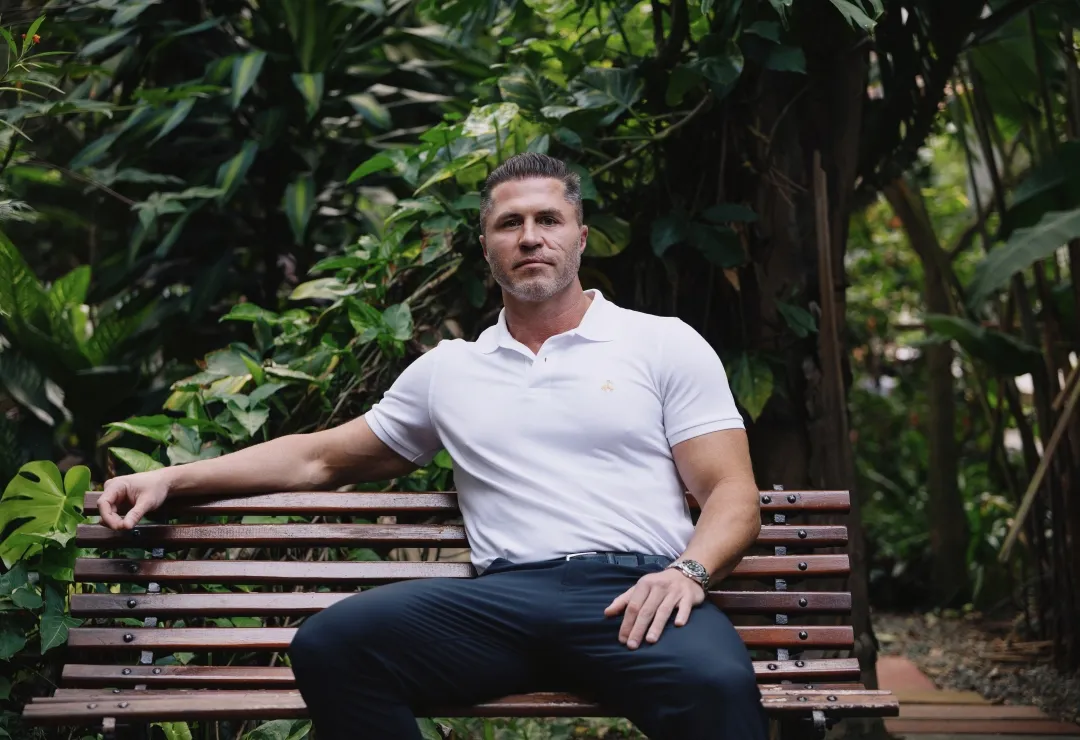
Taylor Wilson is an experienced author, founder of Active Recovery Companions, and a Certified Recovery Specialist.
Since 2015, Taylor has provided personalized recovery coaching to diverse clients, from high-profile individuals to young adults seeking assistance in various areas of life.
With a background in Sociology and Psychology, along with certifications in CPR, CRS-1, PADI Scuba Diving, MITT, and NASM-CPT,
Taylor offers holistic support and guidance. His own journey of sobriety since 2012 adds a personal touch to his work.
Through his writing and compassionate coaching, Taylor empowers individuals, fostering personal growth and helping them lead fulfilling lives in recovery.

© 2026, Active Recovery Companions