Last Updated on 2023-08-30


Taking care of our mental well-being is more important than ever. If you've ever found yourself seeking guidance, support, and empowerment to navigate the challenges of life, a mental health coach might be the missing piece to help you transcend limitations and unlock your true potential. At Active Recovery Companions, we understand the transformative power of mental health coaching and its profound impact on personal growth and wellness.
In this blog post, we'll explore the role of a mental health coach, their unique approach to fostering positive change, and how they can be a trusted ally on your journey towards optimal mental well-being. If you're ready to prioritize your mental health and embark on a transformative path of self-discovery, don't hesitate to reach out to Active Recovery Companions and let us guide you towards a life of greater resilience, happiness, and fulfillment.
Mental health coaching is a collaborative and empowering process designed to support individuals in enhancing their mental well-being, personal growth, and overall quality of life. A mental health coach works closely with clients to help them identify and overcome challenges, set meaningful goals, and develop effective strategies to improve their mental health and resilience.
Unlike therapy or counseling, which often focus on past experiences and healing from trauma, mental health coaching is future-oriented and focuses on personal growth, self-improvement, and proactive strategies for well-being.
A mental health companion provides guidance, encouragement, and practical tools to help individuals navigate various aspects of their lives, such as managing stress, improving self-care, setting boundaries, cultivating healthy relationships, enhancing self-esteem, and achieving balance.
They utilize evidence-based techniques, including positive psychology, cognitive-behavioral approaches, and mindfulness practices, to help clients gain clarity, develop new perspectives, and create positive changes in their thoughts, behaviors, and emotions.
Through regular coaching sessions, individuals can gain valuable insights, develop resilience, and build the necessary skills to thrive mentally and emotionally. Mental health coaching and recovery coaching empower individuals to take an active role in their well-being, fostering self-awareness, personal growth, and a greater sense of fulfillment in life.
When engaging in mental health coaching, individuals can expect a supportive and transformative experience focused on their personal well-being.
Firstly, mental health coaching offers a safe and non-judgmental space for individuals to explore their thoughts, emotions, and challenges.
Expect to engage in open and honest conversations with a trained professional who listens attentively, validates your experiences, and offers empathetic support. The coaching relationship is built on trust, mutual respect, and collaboration.
Secondly, mental health coaching helps individuals set meaningful goals and develop actionable strategies to improve their mental well-being. A mental health coach provides personalized guidance tailored to your specific needs and aspirations.
They assist in identifying and reframing unhelpful thought patterns, exploring effective coping mechanisms, and developing practical tools for stress management and self-care. Expect to receive valuable insights, feedback, and accountability as you work together to implement positive changes in your life.
With the guidance and support of a mental health coach, you can expect to gain self-awareness, build resilience, enhance emotional well-being, and develop the skills necessary to navigate life's challenges with confidence and clarity.
Engaging with a mental health coach can provide individuals with a range of significant benefits to support their overall well-being and personal growth. Here are some key advantages of working with a mental health coach:
Overall, a mental health coach serves as a trusted partner in fostering improved mental well-being, providing valuable tools, support, and guidance to help individuals live more fulfilling and meaningful lives.
While both mental health coaches and therapists play essential roles in supporting individuals' mental well-being, there are some key differences in their approaches and focus.
Therapists are typically licensed mental health professionals who diagnose and treat mental health disorders. They often utilize evidence-based therapeutic modalities, such as cognitive-behavioral therapy (CBT), psychodynamic therapy, or dialectical behavior therapy (DBT), to address deep-rooted emotional issues, trauma, and complex psychological conditions.
Therapists delve into individuals' past experiences and explore underlying causes of distress, aiming to facilitate healing, symptom reduction, and long-term change. They may also provide formal assessments, create treatment plans, and offer in-depth clinical interventions.
On the other hand, mental health coaches focus on personal growth, goal-setting, and self-improvement. They help individuals navigate specific life challenges, enhance overall well-being, and develop practical strategies to achieve desired outcomes. Mental health coaches typically do not diagnose or treat mental health disorders but rather empower individuals to gain self-awareness, build resilience, and make positive changes in their lives.
They provide guidance, accountability, and support in setting and achieving goals, improving relationships, managing stress, enhancing self-care, and boosting personal effectiveness. Mental health coaching is generally future-oriented and action-focused, aiming to help individuals maximize their potential and lead fulfilling lives.
In summary, while therapists primarily address mental health disorders through diagnosis and treatment, mental health coaches focus on personal growth, goal attainment, and overall well-being. The choice between a therapist and a mental health coach depends on an individual's specific needs, the nature of their challenges, and their desired outcomes.
In some cases, individuals may benefit from a combination of both approaches, utilizing therapy for deeper emotional healing and a mental health coach for guidance and support in achieving personal goals.
It is important to dispel these misconceptions and understand the distinct role and benefits of mental health coaching as a valuable resource for personal growth and well-being.
Determining whether you need a mental health coach depends on your specific circumstances and personal goals. A mental health coach can be beneficial if you are seeking guidance, support, and practical strategies to enhance your mental well-being, navigate life challenges, and achieve personal growth.
If you find yourself struggling with stress management, setting and achieving goals, improving relationships, enhancing self-care, or feeling stuck in certain areas of your life, a mental health coach can provide valuable insights, accountability, and support to help you overcome obstacles, gain clarity, and unlock your true potential.
Yes, Active Recovery Companions can assist you with mental health coaching. Our team of compassionate and skilled mental health coaches is dedicated to supporting individuals in their journey towards improved mental well-being, personal growth, and resilience. We provide personalized guidance, practical strategies, and a supportive environment to help you navigate life challenges, enhance self-awareness, and achieve your desired goals. Contact us today!
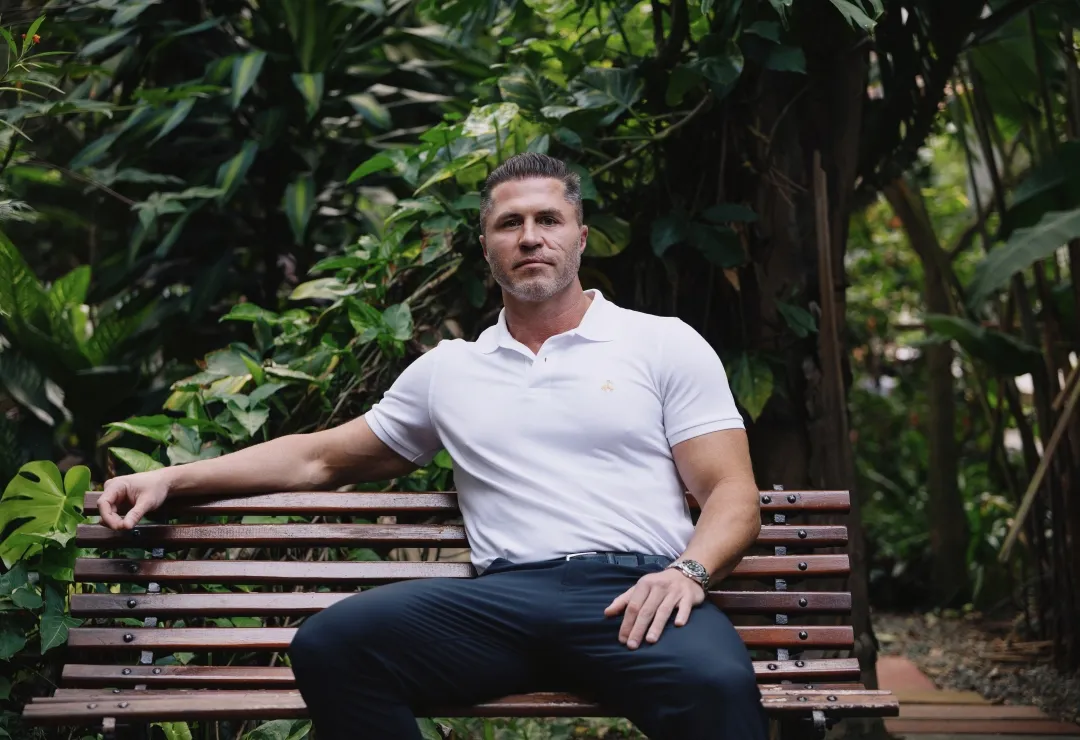
Taylor Wilson is an experienced author, founder of Active Recovery Companions, and a Certified Recovery Specialist.
Since 2015, Taylor has provided personalized recovery coaching to diverse clients, from high-profile individuals to young adults seeking assistance in various areas of life.
With a background in Sociology and Psychology, along with certifications in CPR, CRS-1, PADI Scuba Diving, MITT, and NASM-CPT,
Taylor offers holistic support and guidance. His own journey of sobriety since 2012 adds a personal touch to his work.
Through his writing and compassionate coaching, Taylor empowers individuals, fostering personal growth and helping them lead fulfilling lives in recovery.

© 2026, Active Recovery Companions